
World Habitat Brand Guide

How we can look our best, in all situations

About World Habitat

World Habitat was established in 1976 as the Building and Social Housing Foundation, but we changed our name to World Habitat in 2017.  We are an independent charity working internationally to bring excellent housing solutions to those who need them most.   

We use the World Habitat Awards, which we run in partnership with UN-Habitat, to help find, promote and transfer innovative housing solutions across the world. We aim to strengthen the people and organisations behind these initiatives and support them to scale up. This is how we make progress towards our vision of ‘a world where everyone has a safe and secure home’.

The values we align with are: Caring, independent and innovative. The principles we operate by are: climate focussed, globally minded, collaborative and to be an agent for change.

Personality

Our brand reflects our credibility, independence, warmth and authenticity, and is designed to be engaging, clear and informative.

We use Plain English where appropriate and avoid overcomplicating our communications. Housing can be a technical subject, but at its heart, it’s about wellbeing, safety and security and is the foundation of a decent life. We don’t want to lose sight of that by using language that is hard to understand or off-putting.

We like to tell interesting stories, use engaging images and video where possible, and focus on showing the real-life impact of our, and our partners’, work.

Our Colours

Our colour palette has been chosen to reflect the energy, warmth and humanity of our organisation.

Primary Colour Palette

Click a colour to copy its HEX value

Pantone 151
CMYK 0 60 70 0
RGB 255 130 0
HEX FF8200

Grey
CMYK 0 0 0 90
RGB 60 58 63
HEX 3C3A35

Warm White
CMYK 2 3 3 0
RGB 248 242 238
HEX F8F4F2

Secondary Colour Palette

Click a colour to copy its HEX value

Pantone 205
CMYK 0 83 16 0
RGB 224 69 123
HEX E0457B

Pantone 3265
CMYK 76 0 38 0
RGB 0 191 179
HEX 00BFB3

Pantone 5265
CMYK 86 83 9 45
RGB 64 58 96
HEX 002855

Pantone 342
CMYK 93 10 75 43
RGB 0 103 71
HEX 006747

Pantone 199
CMYK 0 100 72 0
RGB 213 0 50
HEX D50032

Pantone 5265
CMYK 82 85 35 25
RGB 64 58 96
HEX 403A60

Colour Combinations

All of our stronger colours can be combined with white.

We can combine other colours in our palette but care must be taken to ensure legibility.

Orange on White

White on Orange

Pink on White

White on Pink

Blue on White

White on Blue

Green on White

White on Green

Orange on Blue

Blue on Orange

Pink on Blue

Blue on Pink

Colour Misuse

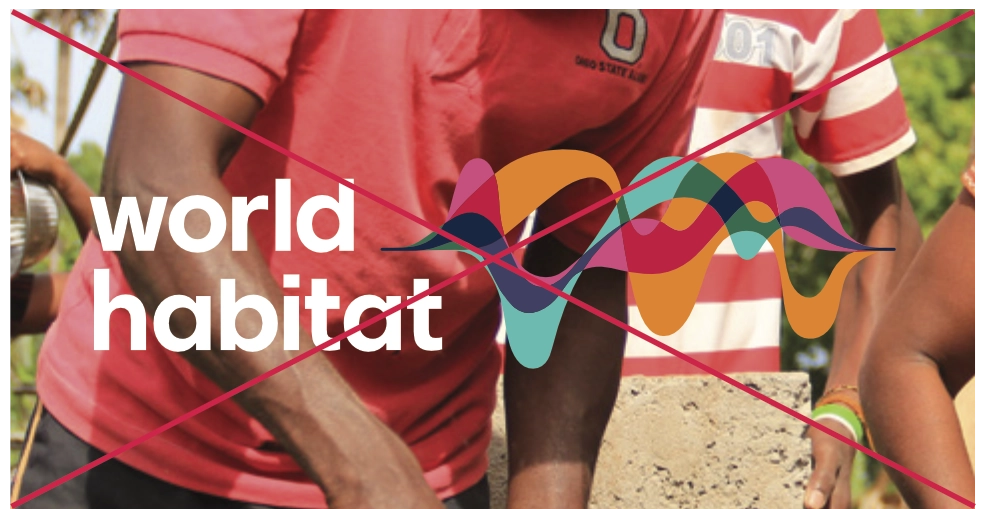
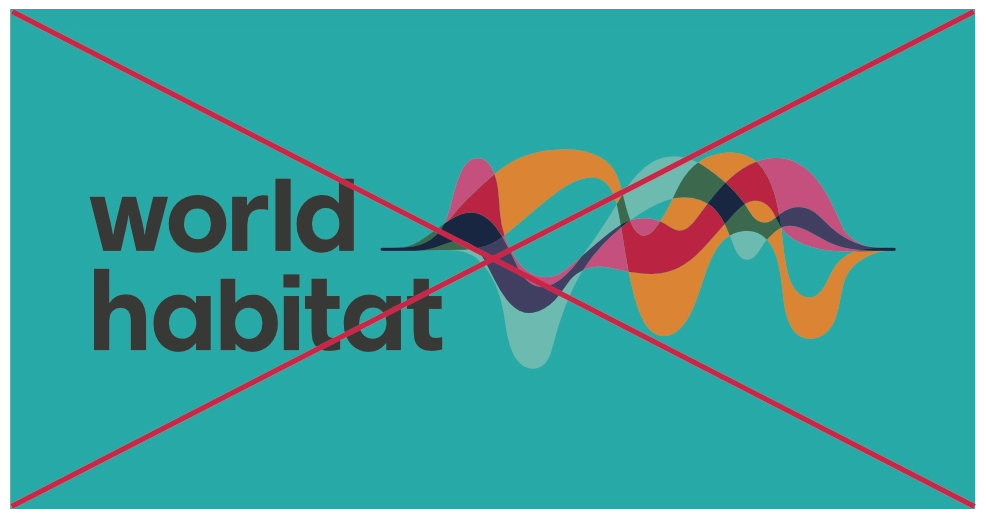
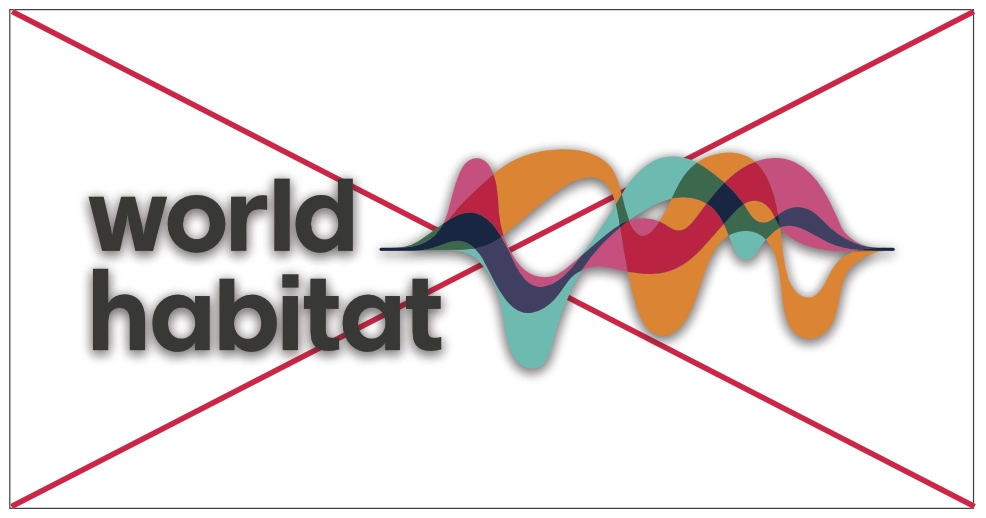
Please don’t combine our colours if they create jarring combinations or make text hard to read.

We don’t use any gradients.

Orange on Teal

White on Orange

Pink on Orange

Orange on Pink

Images

Capturing authentic situations in colour

Our photography captures moments

Always in colour, and wherever possible featuring real people

Corners

Our brand is welcoming and friendly, so we soften our sharp edges

Calculating corner sizes

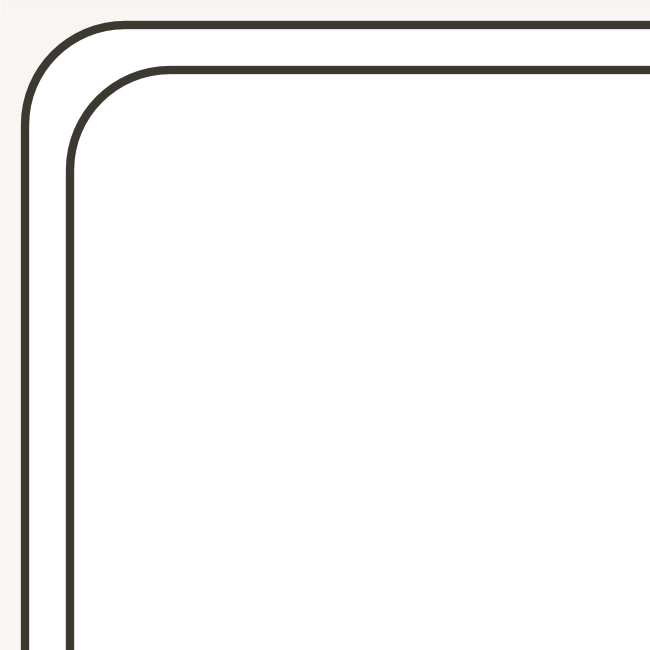
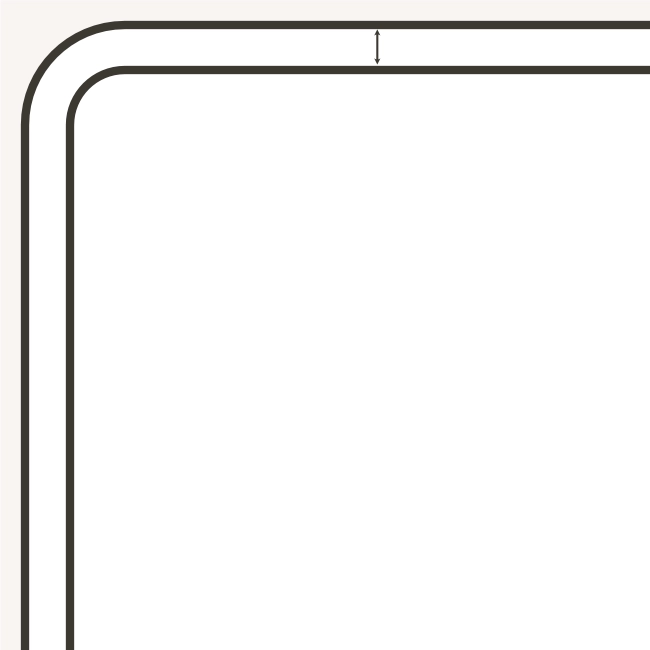
We need our corner radii to be consistent, and if we nest our containers there’s a formula for that.

Single Corner Radius

Our corner radius is set to the same size as our base body copy.

Nested Corner- Incorrect

If we have a corner within a corner, we can’t use the same size value for the inner corner.

Nested Corner- Correct

The formula to calculate the inner corner size is: 

Outer radius – Gap size

eg if the base text size is 16px and there’s a 6px gap, the inner corner radius would be 10px.

Typography

We keep our typography simple: One font, two weights

Harmonia Sans

Harmonia sans is our primary typeface. Its rounded corners convey a warmth whilst its letterforms have a solid presence, modernity and confidence.

Harmonia sans should be used across all communications. We use it in bold for headings, subheadings and emphasis, and in regular weight for body copy.

AaBbCcDdEeFfGgHhIiJjKkLlMmNnOoPpQqRrSsTtUuVvWwXxYyZz1234567890!@£$%^&*()

AaBbCcDdEeFfGgHhIiJjKkLlMmNnOoPpQqRrSsTtUuVvWwXxYyZz1234567890!@£$%^&*()

Arial - our fallback font

We only use Arial to ensure compatibility when communicating with third parties through Google Docs, PowerPoint, Word, Outlook etc.

Using Arial in these instances ensures that documents are seen as intended.

Arial is not to be used on professionally designed materials.

AaBbCcDdEeFfGgHhIiJjKkLlMmNnOoPpQqRrSsTtUuVvWwXxYyZz1234567890!@£$%^&*()

AaBbCcDdEeFfGgHhIiJjKkLlMmNnOoPpQqRrSsTtUuVvWwXxYyZz1234567890!@£$%^&*()

Legibility

If we need to ensure legibility of text, for example when a heading or image credit is superimposed on an photograph, we place a darker tinted box behind the text.

Headline with a tinted background

Type scale

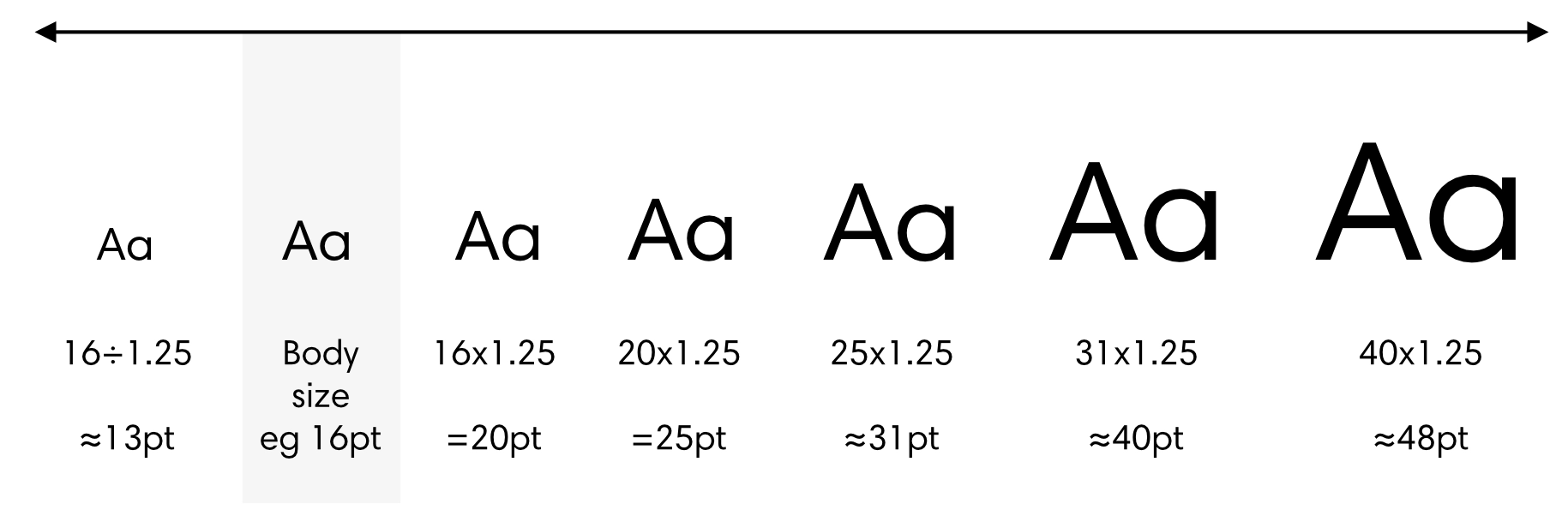
We use a ratio of 1.25 to calculate our type sizes – generally it’s sufficient to scale up to 5x the base size and one below (for smallprint)

Type Scale